Cookies, probes, a loose radius
A display ad that might have been served somewhere else. A loose location. Phones that only detected a network, counted as if someone had looked.
Open-web ads argue about cookies, bots and a rough map pin. We sell a smaller thing: someone near an empty shop joins the guest Wi‑Fi and opens the login page. The signal covers the pavement as well as the unit.
A display ad that might have been served somewhere else. A loose location. Phones that only detected a network, counted as if someone had looked.
They join the guest network for that unit, including from outside, and open the portal. Opening it is the session. Detecting the network is not.
On the guest network you cannot get online until you open the portal. That open is what we count. It is not a phone probe, and it is not a banner you never asked to see.
The Wi‑Fi only reaches the street around that empty unit. If someone connects, they are there. We are not guessing from a phone’s location.
The inventory is the empty units we actually run, and the people who walk past them. It does not grow the way open-web ad space does. The report is people who were in range and chose to connect, not a cookie that might have been in EC3.
We set the network up so non-human traffic is the exception, and we filter what we can. We do not claim there are never bots, and we do not pretend everyone who walks past is a viewer. The number in the report is people who opened the portal.
Free public WiFi in the unit from a 4G/5G router that picks the strongest network on the street. Contractors, agents and viewings are online the moment they walk in, with no broadband contract for the owner. WiFi services →
Printed posters in empty shop windows, and the same businesses on the Wi‑Fi login page. Independents apply free. Brands book a street or the network. The report shows portal sessions, page views and clicks, and it labels each site separately from the network total. Window advertising →
Remote monitoring of the equipment and the unit, an owner dashboard, and optional cameras and environmental sensors so an empty building is never an unwatched one. Monitoring →
The same WiFi and advertising service runs in the unit. The way in depends on whether you own it, want the window, or need WiFi somewhere else.
We put a live WiFi and advertising service into the empty unit, keep it running, and give you a dashboard to see it. The unit stays lettable, viewings have WiFi on arrival, and holding costs come down.
Empty shopfronts are media space. A printed display on the glass, plus your business on the portal everyone sees when they join the free public WiFi. Designed and installed by us. Free for independents.
Buy it the way you buy outdoor: a street, a town, or every live VacatAd site. Window, portal, or both. The report comes from the routers: people who opened the login page, page views and clicks, from anyone in range of that unit, including outside. Site totals and network totals are labelled separately. The Wi‑Fi name people see in their settings can be your brand.
The same routers we run in empty units work for pop-ups, events, site cabins and short lets. Plain WiFi, or a branded captive portal with your logo, a sign-up form or a survey. Delivered, set up and collected by us.
Not sure which one you are? Tell us what you are trying to do and we'll point you at the right person.
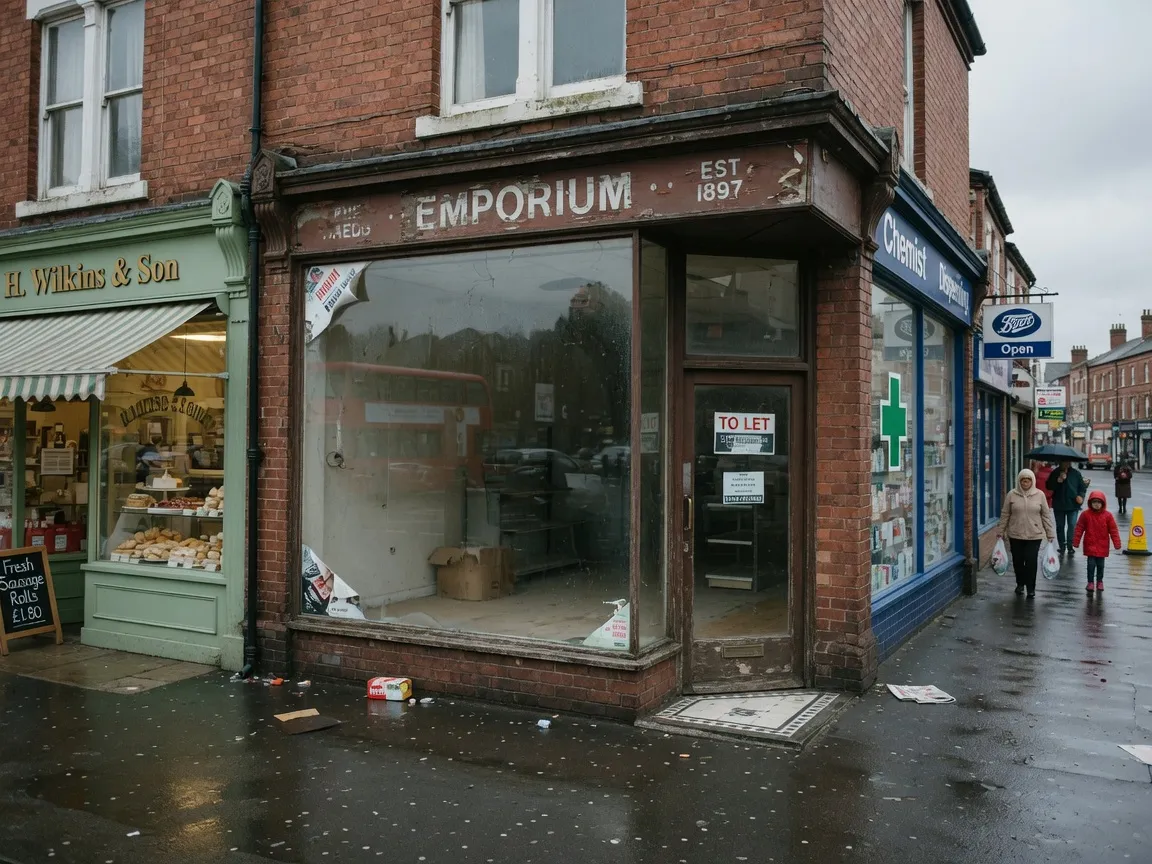
An empty unit is dead frontage, a dark window and a space nobody is watching. We started VacatAd to change that with technology rather than paperwork: a router in the unit, a real service on it, and a local business in the window from day one.
We check the site and install the kit. People nearby join the guest Wi‑Fi and open the login page. You get a report that labels each site separately from the network.
People on the pavement, viewings and contractors. The guest Wi‑Fi reaches outside the unit. That street is the area we mean, not the whole city.
They pick the guest network. Joining the Wi‑Fi is not yet a session. On these networks they have to open the portal next.
The login page appears before the internet does. Opening it is the session, and it is where the ad sits. A probe never gets this far.
A portal session and portal page view, stamped to that router at portal time. Site metrics labelled as site; network totals labelled as network. Not an open-web impression.
Power, access, a signal check. We fit the router, guest Wi‑Fi, login page and window poster, usually within a week.
Passers-by, viewings, contractors and neighbours join. The signal covers the pavement outside that unit. It is not a city-wide network.
The login page is the ad. They see it before they get online, and it is tied to that address.
Printed display on the glass for the street; portal placement for everyone who joins. Independents free; brands book a street, town or the network.
Portal sessions, portal page views and clicks from the routers. Site totals labelled as site; network-wide totals labelled as network-wide.
Kit and creative out within days, or leave plain Wi‑Fi for the new tenant.


Plug-and-play kit that goes in without works and comes out without a trace, all managed from our router console.
We check the site and install. People near the unit join the guest Wi‑Fi and open the login page. When you let the unit, we take the kit out. Owners get a building that is looked after. Local businesses take the window.
Plain English on empty commercial property, the high street, and what a working unit looks like.

A new Private Members' Bill proposes giving local authorities the power to place charities and small businesses in vacant commercial properties - potentially rent-free and without landlord consent. We analyse the Vacant Commercial Properties (Temporary Use) Bill and what it means for property owners.
Read the piece →
An empty shop is a cost, and it is also a dark window on a street that still has customers. VacatAd puts free Wi-Fi and a local advert in that unit so the frontage is doing something while it waits.
Read the piece →
Empty commercial units still attract unauthorised occupation, theft, vandalism, fire and environmental damage. How live WiFi, a working window and remote monitoring keep a void watched, instead of sitting dark until the next tenant.
Read the piece →Fifteen minutes is enough. Whether it is an empty unit, a window you want to be in, or somewhere that needs WiFi next week, we'll tell you plainly what we can do and what it costs.
Prefer a 30-minute call? Book a meeting →
The same WiFi and advertising install. Pick the route that matches what you need from the empty unit.